Diagnosing dementia
Dementia is a complex disease and currently there is no single test for dementia.
To receive a diagnosis, doctors and specialists use a combination of assessments and tests to help people with dementia get the appropriate treatment and support.
If dementia is diagnosed in the early stages and treated correctly, a patient can still lead an active and fulfilled life. An early diagnosis also offers the chance to take part in research and one day could mean access to early Alzheimer's drugs/
It is important to speak to your GP if you think you may have dementia. Not all ‘dementia symptoms’ are dementia and the GP and other medical staff will run tests to rule out other conditions.
General practitioners, neurologists, geriatric psychiatrists, and other specialists use the following tests below to diagnose dementia.
Mental ability or memory tests
These include cognitive and neuropsychological exams that are given to people with symptoms of dementia to assess their mental capacities, such as memory, thinking, reflexes, and the ability to solve simple problems.
Although cognitive testing cannot diagnose dementia on its own, it can give an overall sense of brain functioning and suggest if further evaluation is needed.
Blood and laboratory tests
Early Alzheimer's blood tests are being developed and tested for possible NHS use, which if successful will be rolled out in 2029. The tests work by measuring tiny pieces of protein in the blood, which build up in the brains of people living with Alzheimer's disease.
Blood tests are also used by GPs (general practitioners) to look at symptoms that may be caused by dementia or another condition.
These tests include liver, kidney, and thyroid functions, vitamin B12 and folate levels, as well as diabetes checks. Issues with any of these areas can be treated and are not dementia.
Lumbar puncture
To investigate a possible case of Alzheimer’s disease, medical professionals may request a lumbar puncture after other tests - such as a cognitive and blood tests - have taken place.
In Alzheimer’s disease there are a build up of proteins called tau and amyloid in the brain. These proteins can be found in the cerebrospinal fluid in the back, and can be used to diagnose Alzheimer’s disease.
A lumbar puncture involves a special needle taking a sample of the cerebrospinal fluid from the lower back. This fluid flows around the spinal cord and the brain and levels of proteins in the cerebrospinal fluid can indicate Alzheimer’s disease.
Brain scans/imaging
These are used for diagnosing dementia after ruling out other possible diseases or complications. Brain scans are used as part of a wider assessment and can be used to check for other possible problems like a stroke or a brain tumour. MRI or PET scans can help confirm a diagnosis of dementia, identify changes in the brain’s structure and function, as well as the type of disease causing it.
Psychiatric evaluation
This method helps doctors to see if depression or other mental health conditions are causing or contributing to a person’s symptoms. They include computer tests and mood assessments to help doctors understand possible causes of cognitive/thinking difficulties experienced by a person.
Genetic tests
Most dementia cases are not genetic. Research shows certain genes may increase the risk of Alzheimer’s. A known gene defect can also cause some forms of dementia. Genetic tests can help doctors find out if a person is at risk for dementia. Talking with a genetic counsellor, family members and a doctor before and after a genetic test is important for your wellbeing.
Diagnosis at the Brain Bank
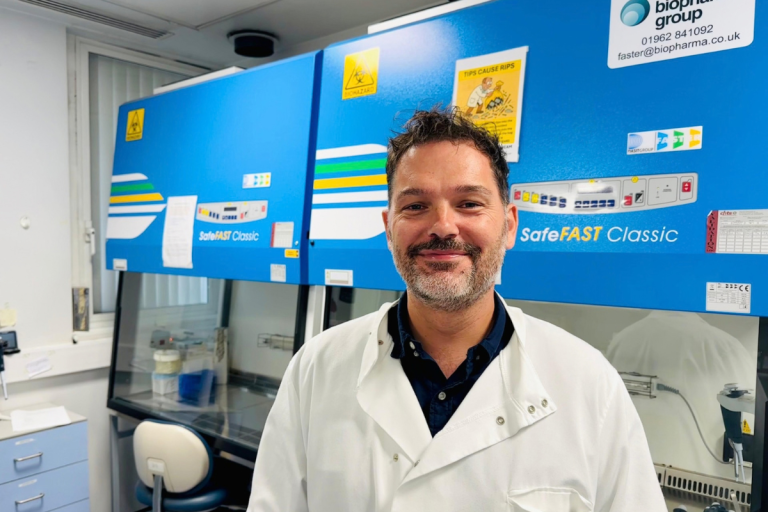
BRACE supports work at the South West Dementia Brain Bank, which stores and processes donated brain tissue. Donations are made by both people living with, and without dementia. Examining brain tissue post-mortem is, sadly, the most accurate way to diagnosis dementia. The work done at the Brain Bank supports better understanding of how and where dementia happens in the brain. The Brain Bank is a vital resource. You cannot get to clinical trial without using human brain tissue first. Without it, we wouldn’t have drugs for Alzheimer’s disease.
The future of dementia testing
BRACE funding has also been crucial in the development of an early Alzheimer’s EEG test called Fastball. This test is now being investigated by the NHS, it is quick, low cost and portable, and may even be used in a home environment. More research needs to be done before it will be publicly available, but it is showing very promising results. This type of test may be found in a GP surgery in the near future!
Share this page