
Cold weather and dementia: tips for staying safe and comfortable
As the weather gets colder, there are a few simple things that can help people living with dementia stay warm and comfortable.
Dementia can sometimes affect a person's awareness of temperature, meaning they may not always notice when they are cold. Changes to routine and shorter days can also affect how someone feels and behaves.
Here are some practical ways to help during the colder months.
Dress for warmth
People with dementia may not always notice that they are cold or remember to put on extra layers. Help them stay warm by making sure they have suitable clothing, such as jumpers, coats, socks and slippers.
Eat and hydrate
Cold weather can increase the body's energy needs, while some people may feel less thirsty. Offering regular meals and warm drinks can help provide energy and reduce the risk of dehydration.
Move regularly
Regular movement can help with circulation and prevent people from feeling cold or stiff. This doesn't have to mean strenuous exercise, gentle movement around the home or a short walk outside can be beneficial.
Create a cosy home
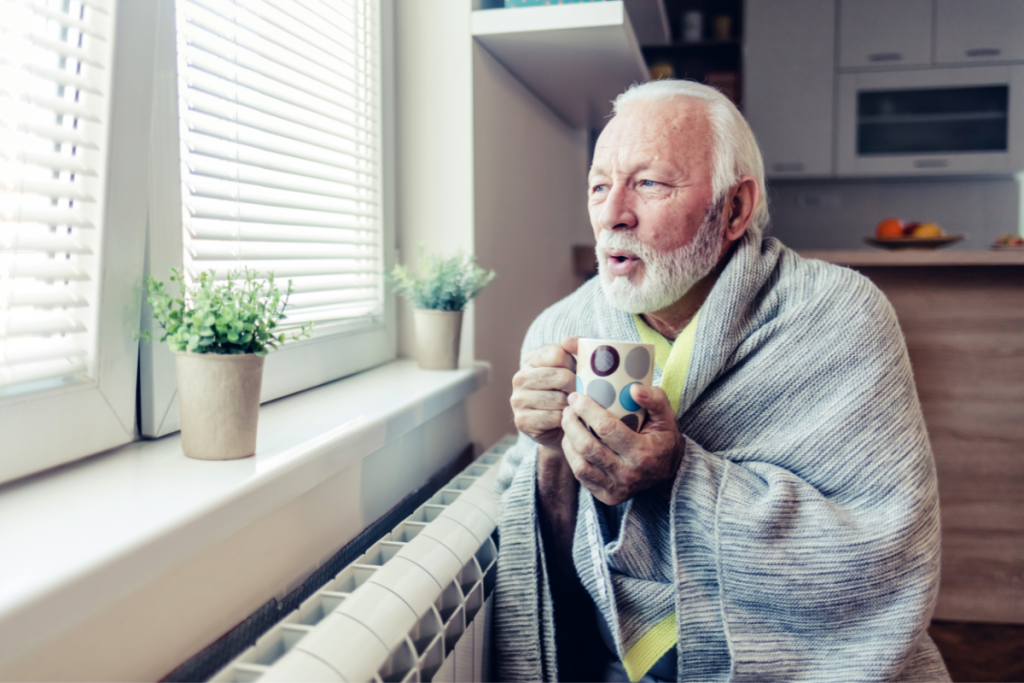
Keeping living spaces warm during the day can make a big difference. Make sure the heating is set to a comfortable temperature and keep blankets or other warm layers within easy reach.
Get natural daylight
Shorter days and reduced exposure to daylight can affect mood and sleep, and may contribute to increased confusion or symptoms of sundowning for some people. Where possible, make the most of natural daylight by spending time near a window or getting outside during the day.
Keep a consistent routine
Familiarity can provide comfort for someone living with dementia. Try to keep daily routines as consistent as possible and introduce changes gradually. Keeping regular times for meals, activities and bedtime can help provide a sense of structure and reassurance.
Small changes can make a big difference in helping someone living with dementia feel safe, comfortable and supported throughout the colder months.
Share this page